Power Adapter Docking Station Laptop Multifunctional Converter Splitter Accessories: A 2026 Buyer's Guide
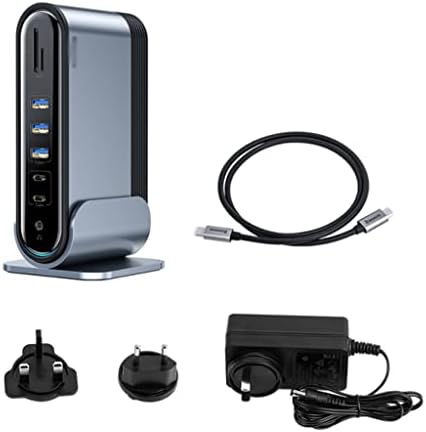
Power Adapter Docking Station Laptop Multifunctional Converter Splitter Accessories: A 2026 Buyer's Guide
In the evolving landscape of mobile computing, the need for a stable, organised, and versatile workstation remains constant. For professionals, students, and hybrid workers, a single-cable solution to connect multiple peripherals to a laptop is not just a convenience but a necessity for productivity. The Power Adapter Docking Station Laptop Multifunctional Converter Splitter Accessories represents a category of device designed to address this core need. This specification-based analysis and buyer guide will examine this multifunctional docking station, breaking down its confirmed features, potential use cases, and key considerations to help you determine if it aligns with your setup requirements for 2026 and beyond.
Quick Specifications Table
| Specification | Detail |
|---|---|
| Product Type | Multifunctional Docking Station / Converter Splitter |
| Primary Function | Laptop Connectivity Expansion & Power Delivery |
| Key Connectivity | Multiple USB ports, HDMI, Ethernet, SD/TF card readers (specific port count and versions to be verified) |
| Power Delivery | Integrated power pass-through to laptop (exact wattage to be verified) |
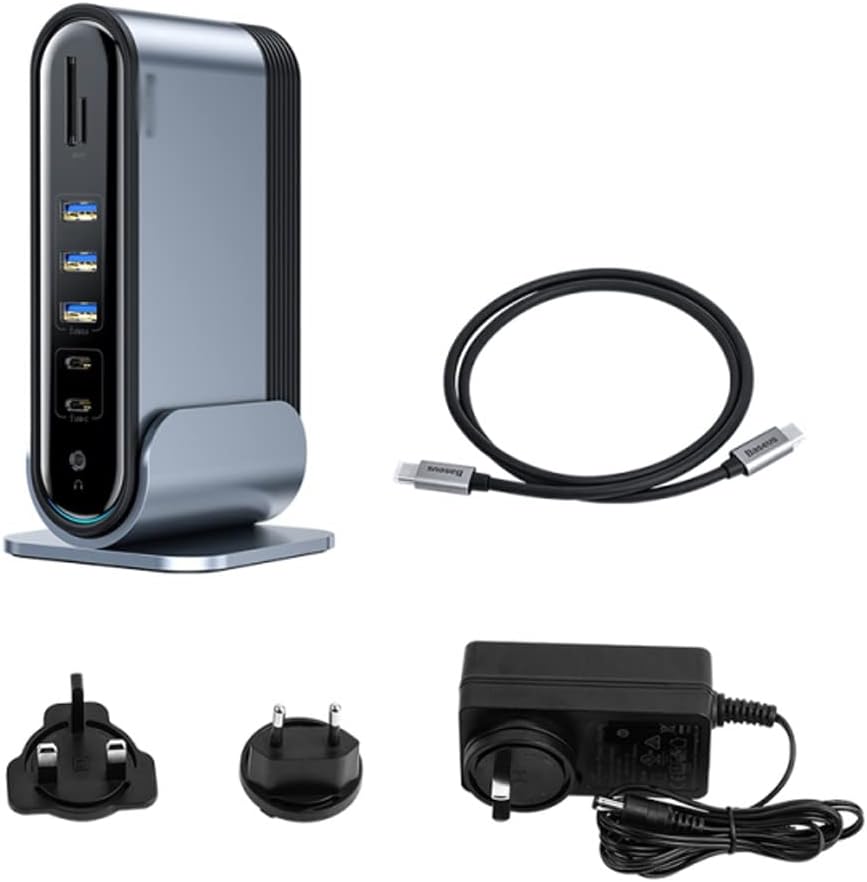
| Included Accessories | the docking station unit and necessary cables (exact contents to be verified on listing) |
| Compatibility | Designed for laptops with USB-C or similar host port functionality |
Key Features of This Multifunctional Docking Station
This type of docking station is engineered to consolidate multiple functions into a single, compact hub. Its defining characteristic is the integration of power delivery, allowing you to charge your laptop while simultaneously expanding its connectivity. This eliminates the need for a separate power brick cluttering your desk. The station typically offers a range of ports, transforming a single laptop port into a comprehensive workstation hub with video output, wired internet, peripheral connections, and card readers. The "all-in-one" design is aimed at simplifying cable management and reducing desk sprawl.
Design and Build Considerations
Docking stations in this category generally favour a practical, desktop-oriented design. The form factor is typically a compact rectangular or square hub that sits neatly on a desk. Build materials often involve a combination of aluminium and plastic to balance durability, heat dissipation, and weight. Ports are logically arranged across the sides of the device for easy access. A key design aspect is the integrated power circuitry, which must be robust enough to handle both power delivery to the laptop and stable operation of all connected peripherals. The unit's footprint and weight are considerations for users who may wish to transport it alongside their laptop, though its primary use case is as a semi-permanent desk fixture.
Realistic Performance Expectations
When evaluating a multifunctional docking station, performance is measured by stability, bandwidth allocation, and simultaneous operation capability. A well-designed unit should allow for stable power delivery to a compatible laptop while supporting multiple active data transfers. For example, you can expect the ability to drive a secondary monitor at a standard resolution (such as 1080p or 1440p, depending on the confirmed video protocol), maintain a stable wired Ethernet connection, and use several USB peripherals like a keyboard, mouse, and external storage without significant interruption. The performance is contingent on the specifications of the host laptop's port and the docking station's internal chipset. It is appropriate for everyday productivity, content consumption, and professional workflows that require multiple peripherals but not extreme, dedicated bandwidth for each single task.
Disclosure: This review may contain affiliate links. As an Amazon Associate, I earn from qualifying purchases—at no extra cost to you.
Pros and Cons
Based on the typical profile of this product category, here is a balanced overview of potential advantages and limitations.
Potential Advantages
- Single-Cable Convenience: Streamlines desk setup by combining laptop charging and peripheral connectivity into one cable connection.
- Enhanced Productivity: Expands a laptop's limited port selection, enabling a full desktop-like workstation with multiple monitors, wired networking, and accessories.
- Reduced Cable Clutter: Consolidates numerous cables into a central hub, contributing to a cleaner and more organised workspace.
- Portability (Potential): If compactly designed, it can be a useful accessory for transforming a laptop into a workstation in different locations.
Potential Limitations
- Bandwidth Sharing: All connected devices share the bandwidth of the single host connection, which can limit performance if many high-bandwidth devices are used simultaneously.
- Power Delivery Limits: The maximum power output must match or exceed the laptop's requirements for effective charging under load.
- Compatibility Dependencies: Functionality is dependent on the laptop's host port capabilities (e.g., USB-C with DP Alt Mode and PD support).
- Potential for Heat Generation: Integrated power delivery and multiple active circuits can lead to the unit becoming warm during extended use.
Comparison with Similar Products
When considering this multifunctional converter splitter, it's useful to understand how it compares to other connectivity solutions. A basic USB hub offers port expansion but lacks video output and power delivery, making it a simpler, lower-cost option for users who only need extra USB ports. A dedicated, high-end Thunderbolt dock offers significantly higher bandwidth, supporting multiple high-resolution monitors and faster data transfers, but at a premium price point. This power adapter docking station sits between these extremes, offering a balanced mix of essential features—power delivery, video out, and solid data connectivity—at a typically more accessible price than top-tier docks. It makes the most sense for users whose priority is a tidy, all-in-one solution for common productivity tasks rather than pushing the absolute limits of display or storage speed.
Buying Guide: Is This Docking Station Right For You?
Choosing the right connectivity hub depends entirely on your specific workflow. This multifunctional docking station is an excellent fit for users who operate primarily from a desk and want to minimise cable hassle. It is particularly suitable for remote workers, students with multimedia needs, or professionals who frequently switch between home and office setups. If your daily tasks involve video conferences, working with documents, managing files from SD cards, and using a secondary monitor, this hub covers those bases efficiently. It is less suited for users who require dual 4K monitor support at high refresh rates, professional-grade video editing with raw file transfers from multiple SSDs simultaneously, or those whose laptop requires very high wattage charging (e.g., over 100W for certain gaming or workstation laptops). For those users, a certified high-wattage Thunderbolt dock would be a more appropriate investigation.

Key Things to Verify Before Buying
To ensure complete compatibility and avoid disappointment, always confirm the following details directly on the product's Amazon listing before making a purchase:
- Exact Port Specifications: Verify the number, type, and version of every port (e.g., USB 3.2 Gen 1, HDMI 2.0, Gigabit Ethernet).
- Power Delivery Wattage: Confirm the maximum power output (e.g., 65W, 100W) to ensure it meets your laptop's charging requirements.
- Video Output Support: Check the maximum supported resolution and refresh rate for connected monitors (e.g., 4K@30Hz, 1440p@60Hz).
- Compatibility List: Review any listed compatible laptop models or operating systems to see if your device is mentioned.
- Included Accessories: Ensure the necessary host cable (e.g., USB-C cable) and any power adapters are included in the box.
- Warranty Information: Note the manufacturer's warranty period and terms.
Frequently Asked Questions (FAQs)
Does this docking station charge my laptop?
Yes, a core feature of this product is integrated Power Delivery (PD). It is designed to pass through power from its own power adapter to your laptop via the host connection cable, allowing you to charge your laptop while the dock is in use. You must verify the wattage on the product listing to ensure it is sufficient for your specific laptop model.
What laptops are compatible with this dock?
Compatibility primarily depends on your laptop having a USB-C port that supports both DisplayPort Alternate Mode (for video) and Power Delivery (for charging). Many modern laptops from brands like Dell, HP, Lenovo, Apple (MacBook), and others include such ports. Always check your laptop's specifications and the dock's compatibility list on the product page.
Can I connect two monitors to this docking station?
This depends entirely on the specific model's confirmed specifications. Some multifunctional docks support dual-monitor output via a combination of HDMI, DisplayPort, or VGA ports, while others may only support a single external display. The product listing should clearly state the multi-monitor capabilities and supported resolutions.
Do I need to install drivers for it to work?
Basic functionality like power delivery, USB ports, and card readers often works plug-and-play on modern operating systems. However, for advanced features like specific display resolutions or Ethernet functionality, you may need to install drivers. The product listing or manufacturer's website should provide guidance on any necessary software.
Will it work with my gaming laptop?
It
Disclosure: This review may contain affiliate links. As an Amazon Associate, I earn from qualifying purchases—at no extra cost to you.
تعليقات
إرسال تعليق